Your engine, service history and driving routine matter more than a single interval for every car.Use your engine’s schedule and your driving routine.
Start with your vehicle’s schedule
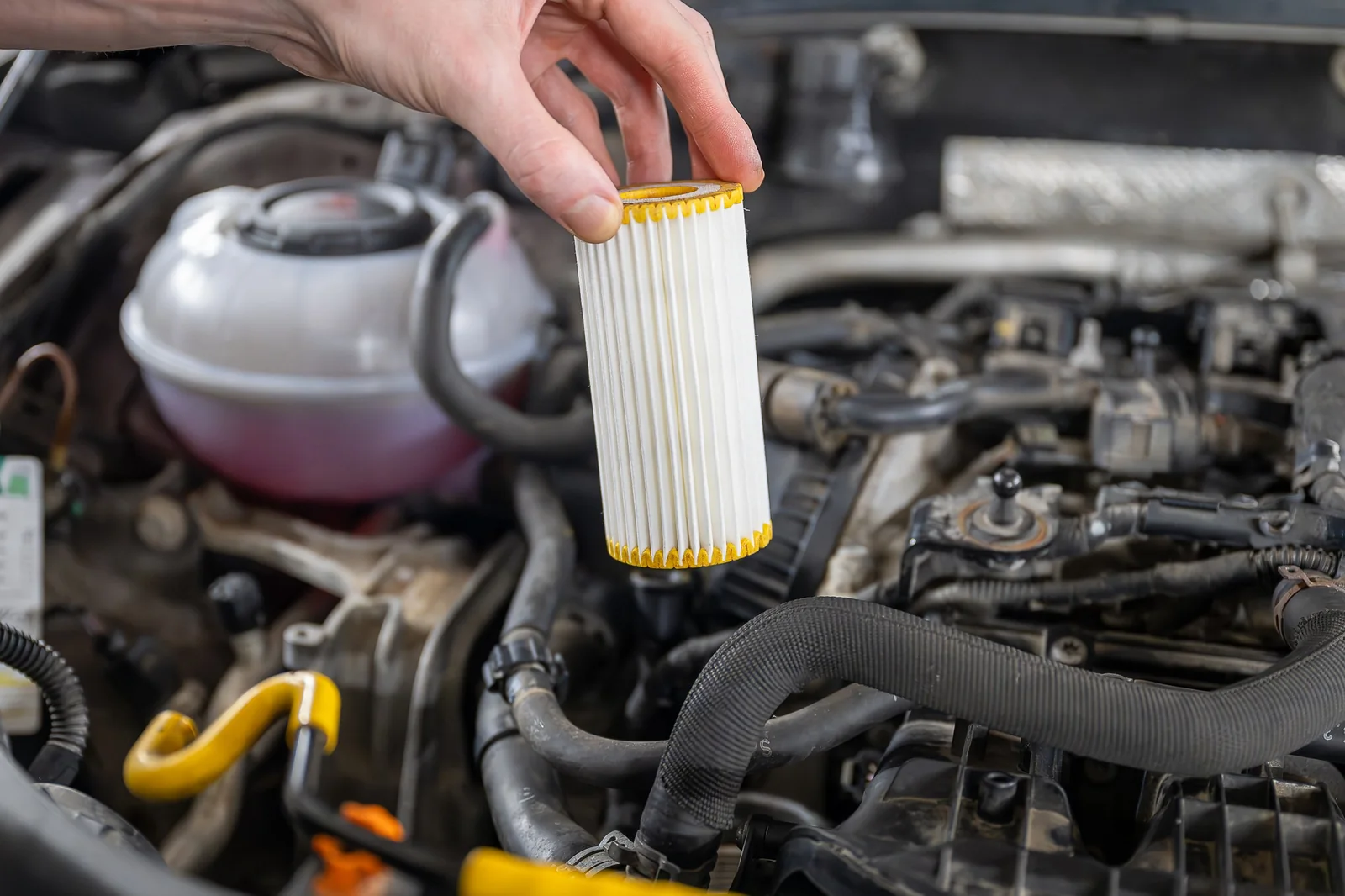
The owner’s manual lists the oil specification and when service is due. Similar cars can have different engines and requirements. Your invoice should show which oil and filter were used, so keep a copy.
Tell us how you use the car
Short trips, idling and towing can change the manufacturer’s maintenance recommendations. Some vehicles use an oil-life display. Check how yours works and whether a time limit also applies.
If you’re unsure when the last change happened, say so. A reminder sticker helps only when you know what service it refers to.
An oil warning needs its own response
Follow the manual if an oil-pressure warning appears. Waiting for the next change, or adding oil, may leave the cause unresolved.
For a level check, use the vehicle’s instructions for parking, temperature and waiting time. Some cars use an electronic display. Ask for help with an unclear reading or which oil to use.
Keep track of oil loss
Repeated top-ups, spots on the driveway, smoke or an unusual smell are worth mentioning. Write down the mileage and amount added. That gives the technician something useful to work with.
An oil change and a check for oil loss can involve different work. Confirm what’s included, what needs further testing and when the next service is due.
Your vehicle’s schedule
The manual gives the oil specification and service interval. Similar cars can have different engines. Keep the invoice showing the oil and filter used.
How you drive
Short trips, idling and towing can change the schedule. Check how any oil-life display works and whether a time limit applies. Tell us if the last service date is uncertain.
Oil warnings and levels
Follow the manual for an oil-pressure warning. Adding oil or waiting for service may leave the cause unresolved.
For level checks, follow instructions for parking, temperature and waiting time. Ask for help with an unclear dipstick or electronic reading, or which oil to use.
Oil loss
Mention repeated top-ups, driveway spots, smoke or unusual smells. Record mileage and oil added. An oil change and a check for oil loss can involve different work. Confirm what’s included and the next service date.